
Rucksacks
Rucksacks Built for Hiking, Trekking & Adventure
Whether you're tackling multi-day hikes, exploring Australia's national parks or embarking on an overseas trekking adventure, Caribee rucksacks are engineered to deliver exceptional comfort, load support and long-lasting durability. Trusted by Australian adventurers for more than 60 years, our collection includes lightweight hiking backpacks, multi-day trekking packs and expedition rucksacks featuring ergonomic harness systems, generous storage and weather-ready designs built for demanding outdoor conditions. Explore our range of hiking backpacks, camping backpacks and military-inspired backpacks to find the ideal pack for your next adventure.

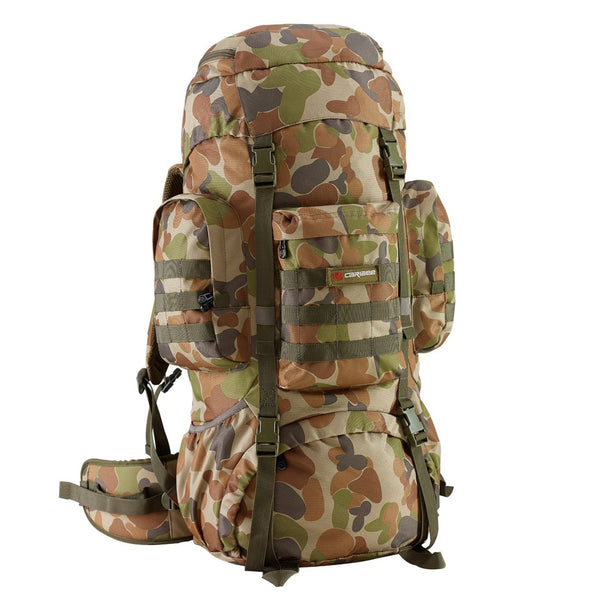
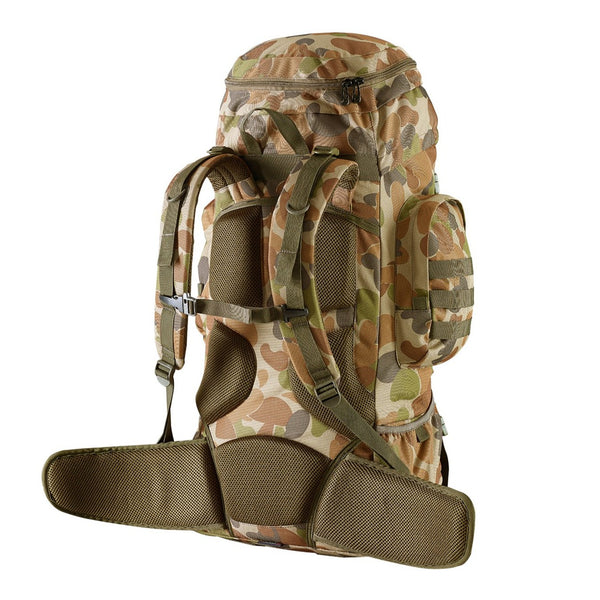
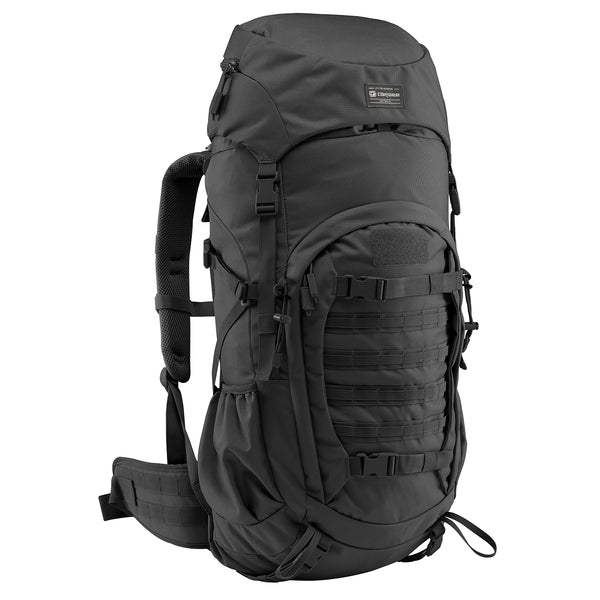
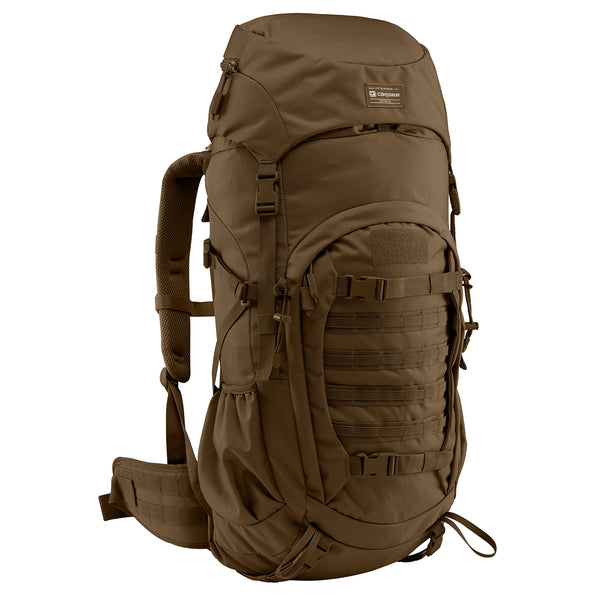
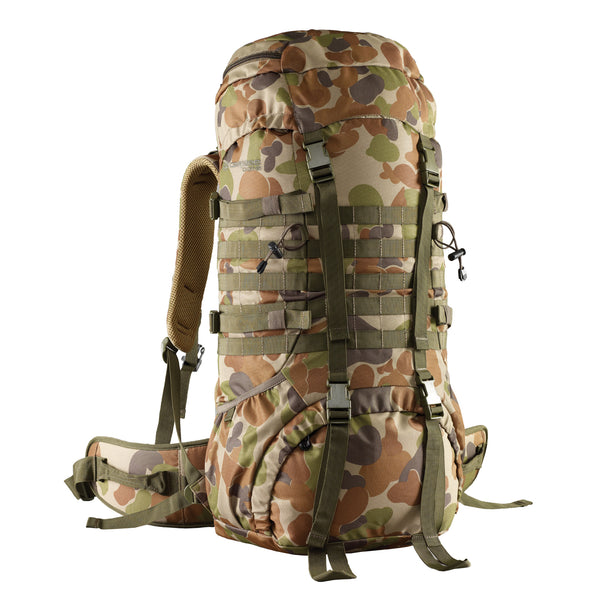
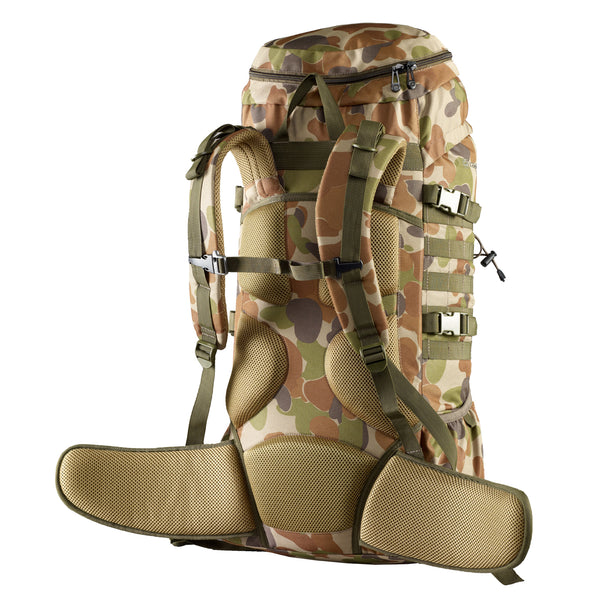
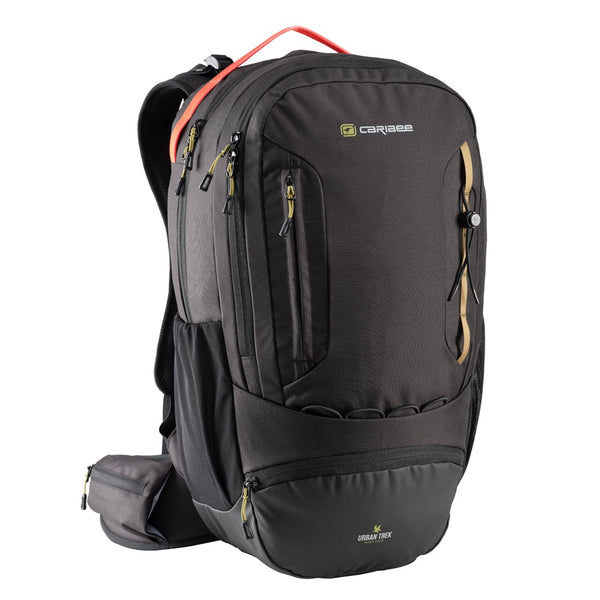
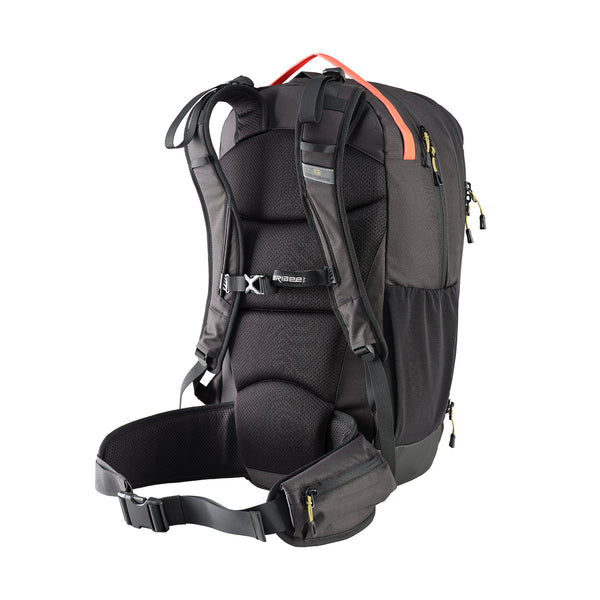



Choosing the Right Rucksack for Your Adventure
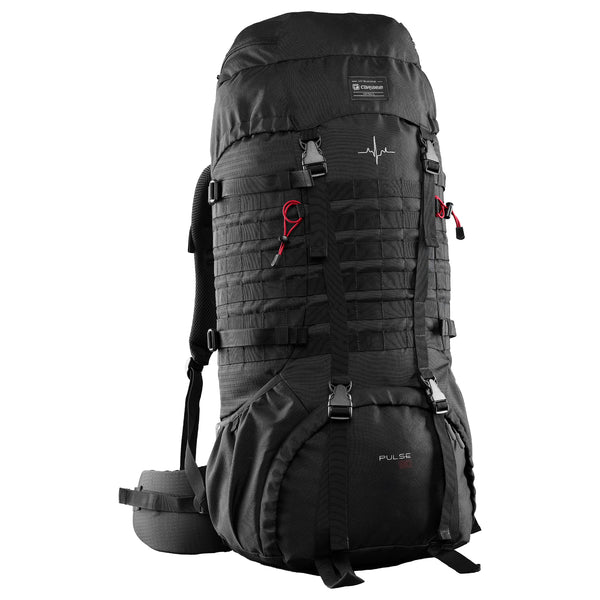
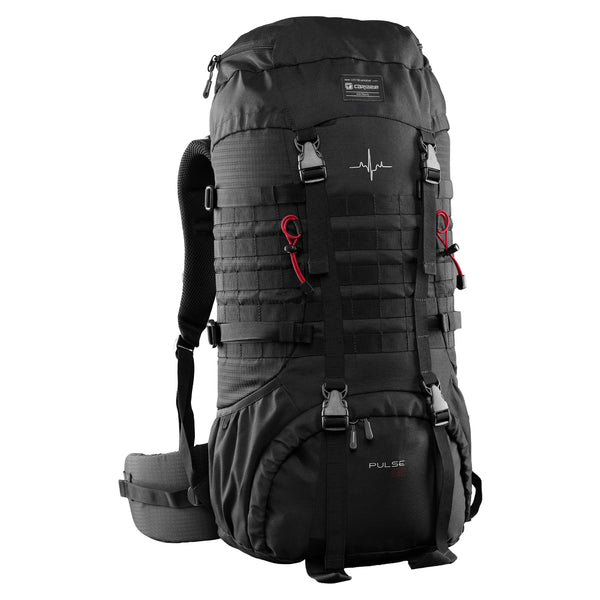
A good rucksack needs to do more than carry your gear. For hiking, trekking, camping and extended travel, the right pack should distribute weight comfortably, provide enough capacity for your equipment and remain practical in changing outdoor conditions. Caribee rucksacks combine durable construction, ergonomic harness systems and practical storage to help Australian adventurers carry their gear further.
What is a rucksack?
A rucksack is a backpack designed primarily for carrying larger loads over longer distances. Compared with many everyday backpacks, rucksacks typically place greater emphasis on carrying comfort, load distribution, harness adjustment, storage capacity and outdoor durability.
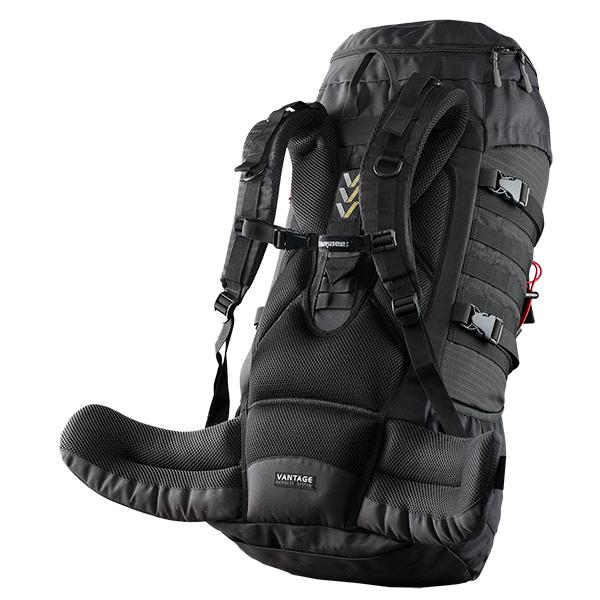
Rucksacks commonly feature adjustable shoulder straps, hip belts, sternum straps and structured back systems to help distribute the weight of a larger load across the body. Larger hiking and trekking rucksacks may also include internal frames, load lifters, ventilation systems, hydration compatibility, rain covers and external attachment points.
The terms rucksack, hiking backpack and trekking backpack are sometimes used interchangeably. The key difference is usually the intended use, carrying capacity and level of load-support features rather than the name alone.
What is the difference between a rucksack, hiking backpack and travel backpack?
- Rucksacks — Designed around carrying larger loads comfortably over longer distances, with an emphasis on harness support, capacity and outdoor durability.
- Hiking backpacks — Generally focused on day hikes, bushwalking and shorter outdoor adventures, although larger hiking packs can also be suitable for multi-day trips.
- Trekking backpacks — Typically designed for longer-distance hiking and multi-day adventures, with greater capacity and more advanced load-support features.
- Travel backpacks — Designed primarily for travel, with features such as easier access, organisation and luggage-style functionality often taking priority over technical hiking features.
- Camping backpacks — Built around carrying camping equipment and outdoor gear, with larger capacities suited to overnight and multi-day trips.
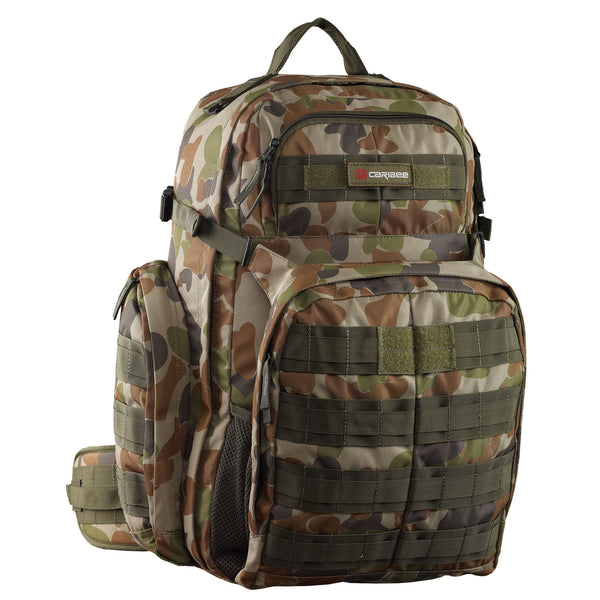
- Military-inspired rucksacks — Emphasise rugged construction, practical storage and external attachment options, often drawing design inspiration from military load-carrying systems.
Choosing between these categories comes down to how you intend to use the pack, how much equipment you need to carry and how important technical carrying support is for your adventure.
What size rucksack do I need?
Rucksack capacity should be chosen according to the length of your trip, the equipment you need to carry, the climate and your personal packing style. A larger capacity is not always better — carrying unnecessary weight can make a long hike less comfortable.
- 30–40L — Day hikes, bushwalking, short outdoor adventures and lightweight travel.
- 40–65L — Weekend hiking, camping, school camps, backpacking and longer outdoor trips.
- 65–80L+ — Multi-day trekking, extended camping, backpacking and expeditions where larger volumes of equipment are required.
When comparing rucksacks, consider both the advertised capacity and how that space is organised. Multiple compartments, external attachment points and accessible pockets can make a well-designed pack feel more practical than a larger pack with less useful organisation.
What features should I look for in a hiking or trekking rucksack?
- Adjustable harness system — Allows the pack to be fitted to your body and helps distribute the load more effectively.
- Hip belt — Helps transfer some of the pack's weight from your shoulders to your hips, particularly when carrying heavier loads.
- Sternum strap — Helps stabilise the shoulder straps and keep the pack secure during movement.
- Load lifters and structured support — Useful features on larger packs designed to carry heavier loads over longer distances.
- Ventilated back panel — Can improve airflow and comfort during extended hiking in warm conditions.
- Hydration compatibility — Allows compatible hydration reservoirs to be carried for convenient access to water while walking.
- Rain cover — Provides additional protection from rain and changing weather on selected models.
- Multiple compartments — Helps separate clothing, food, equipment and frequently accessed items.
- External attachment points — Useful for carrying accessories such as walking poles and other outdoor equipment.
- Durable construction — Important when a rucksack is regularly exposed to abrasion, dirt, dust and demanding outdoor conditions.
How important is rucksack fit and harness adjustment?
A properly fitted harness can make a significant difference to carrying comfort, particularly when a rucksack is heavily loaded or worn for several hours. Start by adjusting the pack so it sits securely against your back, then adjust the shoulder straps, hip belt and sternum strap to distribute the load comfortably.
For larger rucksacks, hip belt adjustment is particularly important. The hip belt should sit securely around the hips rather than relying entirely on the shoulders to carry the weight. Shoulder straps should feel secure without creating excessive pressure, while load lifters can help bring the upper part of the pack closer to the body on compatible models.
For more detailed guidance, see our guide: How to Adjust and Pack Your Rucksack for Maximum Comfort.
Which rucksack is right for my adventure?
- Day Hiking & Bushwalking — Choose a compact, lightweight rucksack with enough capacity for water, food, clothing and essential equipment.
- Weekend Hiking — A medium-capacity rucksack provides additional space for clothing, food and outdoor equipment while remaining manageable on the trail.
- Camping — Larger rucksacks provide the capacity required for camping equipment, sleeping gear, food and additional clothing.
- Multi-Day Trekking — Look for a larger capacity, supportive harness, hip belt, structured back system and practical organisation for extended carrying.
- Backpacking & Overseas Travel — A versatile trekking rucksack can provide the capacity and carrying support needed for extended travel, particularly where you will be carrying your equipment between destinations.
- Expedition & Remote Adventures — Larger-capacity rucksacks are suited to trips where substantial quantities of clothing, camping equipment, food and other supplies need to be carried.
- Military-Inspired Outdoor Use — Rugged rucksacks with practical attachment points and durable construction can be useful for demanding outdoor activities where equipment organisation and durability are important.
Do I need a rucksack with a rain cover?
A rain cover can provide useful additional protection when hiking or trekking in wet weather. It can help protect the pack and its contents from rain while also reducing the amount of water absorbed by the external fabric.
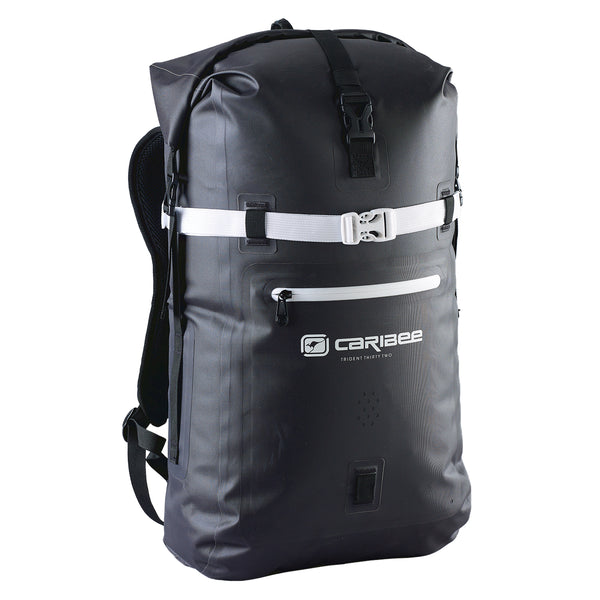
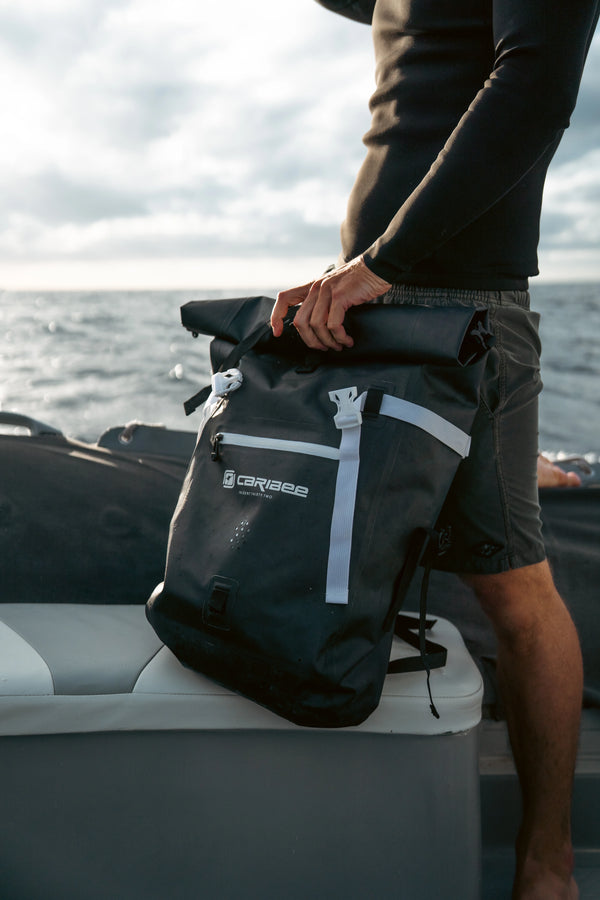
A rain cover is different from a fully waterproof backpack. If your equipment must remain protected during prolonged exposure to water, consider using waterproof storage such as a dry bag or waterproof liner inside the rucksack in addition to any external rain protection.
Selected Caribee rucksacks include integrated rain covers, while other models are designed with weather-resistant materials or features suited to their intended use.
Can I use a hydration reservoir with a Caribee rucksack?
Many Caribee rucksacks are designed to accommodate hydration reservoirs, allowing convenient hands-free access to water while hiking, trekking and camping. Compatible models can typically accommodate 2L or 3L hydration reservoirs, depending on the design of the individual pack.
Always check the specifications of the individual rucksack to confirm hydration compatibility before purchasing a reservoir.
Are Caribee rucksacks suitable for overseas travel?
Yes. Rucksacks can be a practical choice for overseas backpacking and adventure travel when you need to carry your equipment between destinations without relying entirely on wheeled luggage. Larger Caribee rucksacks provide generous storage and supportive harness systems for extended trips, while smaller models can be suitable for shorter travel and day activities.
If your priority is airport convenience, organisation and easy access to your belongings, a dedicated travel backpack may be more appropriate. For longer trekking and outdoor travel where carrying comfort and load support are priorities, a rucksack can be the better choice.
Rucksack FAQs
What is the best rucksack for hiking?
The best hiking rucksack depends on the length of your hike, the equipment you need to carry and the fit of the harness. Day hikes generally require less capacity, while multi-day hiking and trekking require larger packs with greater load-support capability.
What size rucksack is best for camping?
For overnight and weekend camping, a 40–65L rucksack can provide a useful balance of capacity and portability. Multi-day camping trips may require 65L or more depending on the equipment, food and clothing being carried.
Are 60L and 65L rucksacks good for backpacking?
Yes. 60L and 65L rucksacks can provide a practical balance of capacity and carrying comfort for extended backpacking, trekking and camping trips where more equipment is required.
Is an 80L rucksack too big?
An 80L rucksack is generally intended for trips where a substantial amount of equipment needs to be carried, such as extended camping, multi-day trekking or expeditions. For shorter trips, a smaller pack may be lighter and more practical.
Are rucksacks comfortable for long hikes?
A properly fitted rucksack with an appropriate harness, hip belt and load distribution system can provide significantly better carrying comfort than a basic backpack when carrying heavier loads over longer distances.
Are Caribee rucksacks suitable for Australian conditions?
Caribee has 60 years of Australian adventure heritage, with rucksacks designed for hiking, camping, trekking and outdoor use. Features such as durable construction, hydration compatibility, rain covers and supportive harness systems are available across selected models to suit different outdoor conditions.
Are Caribee rucksacks waterproof?
Water protection varies between models. Some Caribee rucksacks include rain covers or weather-resistant construction, while dedicated waterproof bags provide a higher level of protection against water. Always check the individual product specifications for its intended level of water protection.
How do I pack a rucksack for hiking?
Pack heavier items close to your back and around the centre of the pack, while lighter or less frequently needed items can be placed further away. Keep frequently accessed equipment in accessible compartments and avoid overloading the pack beyond what you can comfortably carry.